

 (386) 931-4492

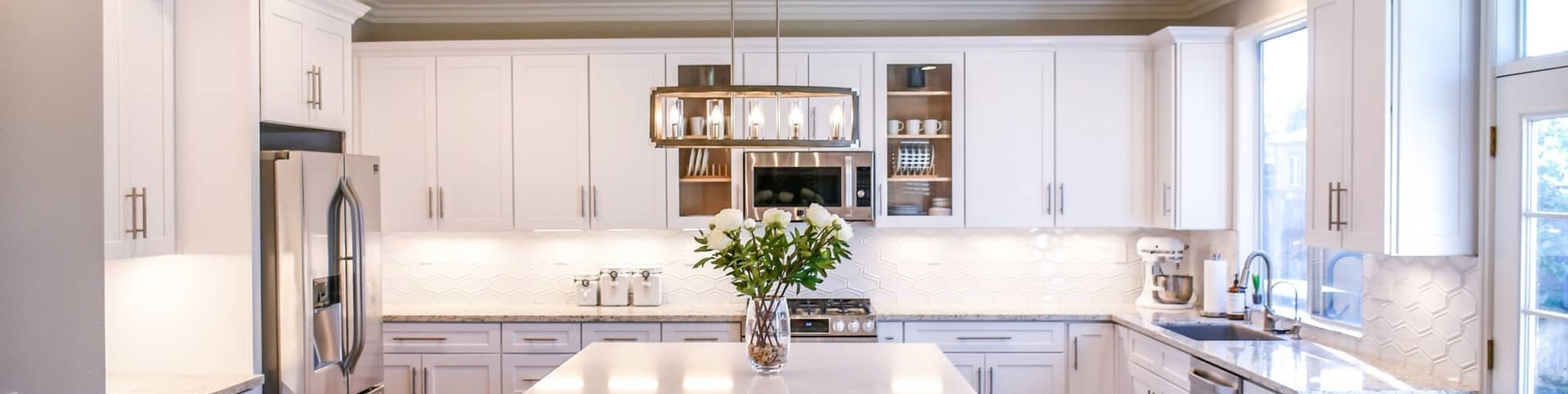
Remodeling Lead Engine for Higher-Ticket Trust
Bestella Lead Engine helps remodeling contractors get better-qualified leads from homeowners planning kitchen, bath, basement, addition, or whole-home projects. It is built for remodelers whose website, Google profile, reviews, calls, and follow-up need to prove the work, explain the process, and earn the consultation before the homeowner contacts a competitor.
Remodeling is a higher-ticket, higher-trust trade than most local services. A driveway repair is a phone call. A $60,000 kitchen remodel is a research-heavy decision where the homeowner reads, compares, and shortlists three contractors before reaching out. The website has to survive that scrutiny.
Remodeling Service Pages That Actually Earn Consultations
- Kitchen remodeling: full kitchen renovations, partial updates, cabinet replacement, layout changes, and high-end finish work.
- Bathroom remodeling: primary baths, half-baths, accessibility upgrades, walk-in showers, and full plumbing reconfiguration.
- Basement finishing: egress, drainage considerations, in-law suites, home theaters, and home gyms.
- Home additions: single-story additions, second-story builds, sunrooms, and primary suite expansions.
- Whole-home renovation: gut renovations, historic updates, and large multi-room projects.
- ADU and accessory dwellings: increasingly relevant in Massachusetts with updated zoning rules — separate pages where the work is offered.
Each service has its own search volume, its own buyer profile, and its own decision timeline. A single "remodeling services" page rarely ranks well or converts well across all of them.

Why Remodeling Websites Need More Trust Signals Than Other Trades
A homeowner committing to a remodel is letting a stranger into their house for weeks or months and writing the largest check most families ever sign. The website is part of that trust decision. Pages that feel generic, slow, or thin lose the lead before the phone call.
The fix is structural: real project pages, real photos, clear process explanations, named team members where possible, licensing and insurance signals, and reviews placed near the contact path. A remodeling website that does these things consistently outperforms a prettier site that does not.
What Remodeling Trust Looks Like Online
- Real project gallery: individual project pages with photos, scope, timeline, and outcome — not a wall of thumbnails.
- Before-and-after pairs: the single strongest visual proof a remodeling website can use.
- Process explanation: consultation, design, permitting, build, finish — homeowners want to know what to expect.
- Materials and finishes: brand names, supplier relationships, and finish options the company actually offers.
- Licensing and insurance: visible signals especially important for additions, structural work, and ADU projects.
- Team and reputation: photos of real crew members, founder bios, and reviews from named local customers.
- Mobile speed: homeowners research on phones; a slow gallery is a closed door.
Local SEO for Remodeling Contractors
Remodeling search in Massachusetts is competitive. Common queries: "kitchen remodel Quincy," "bathroom contractor Boston," "basement finishing South Shore," "home addition Braintree," "ADU contractor Massachusetts." The pages that rank are usually the ones with one clear service intent, real project pages with photos, a complete Google Business Profile in the correct primary category (General contractor, Kitchen remodeler, Bathroom remodeling service), and steady reviews tied to completed projects.
More on the local SEO side in the contractor local SEO guide, and timeline expectations in how long local SEO takes.
Common Remodeling Website Mistakes
- One generic "Services" page: trying to rank for kitchen, bath, basement, and addition all on one page.
- Photo dump gallery: hundreds of unlabeled thumbnails with no context, no project story, and no SEO value.
- No pricing context: remodelers do not have to publish exact prices, but they should explain what affects an estimate.
- Hidden contact path: no click-to-call button on mobile, long forms that ask for too much, or buried email links.
- Slow gallery: high-resolution unoptimized photos that crash the site on mobile.
- No service-area clarity: homeowners want to know if the company actually works in their town.
Remodeling Lead Engine FAQs
Do remodeling websites really need a separate kitchen and bath page?
Yes if both are real revenue sources. Kitchen remodel and bathroom remodel are distinct high-volume search queries with different customer expectations. Trying to rank one combined page for both usually loses both.
How important is a project gallery for a remodeling website?
Very. Remodeling is a visual, high-trust purchase. A real project gallery with photos, descriptions, and ideally before/after pairs is one of the strongest conversion assets a remodeler can have on a website.
Do you build remodeling websites without a project portfolio yet?
Yes. Newer remodeling businesses can launch with credentialed pages (process, materials, service area, FAQ) and add project pages as work completes. The website should be designed so adding new projects is simple.
See related contractor Lead Engine, Quincy Lead Engine, and review and reputation services.
Get a Remodeling Lead Engine Review
Ready to capture more calls, reviews, and booked jobs?
We will map out how your website, Google Business Profile, review requests, call tracking, missed-call text back, lead forms, follow-up, and reporting can bring in more local leads.
Get My Free Lead Engine Plan